Basic Goals

Share:

Have Basic Goal - Aim at SomethingYou want unbelieving children to accept Jesus as their Savior. And, you long for believing children to grow in the grace and knowledge of the Lord Jesus Christ. Most Bible teachers maintain these objectives. Many teachers, however, are not sure how to foster a classroom environment conducive to the achievement of these goals.

Much of it ties into expectations. How applicable is the saying, “Aim at nothing and you’ll hit it every time.”

Basic Goals Related to Classroom Discipline so Students Know What’s Expected of Them

  • Allow students to participate in establishing classroom rules and consequences. (produces greater ownership)
  • Expect your students to assume responsibility for their behavior.
  • Make the development of internal control the ultimate objective.

Take time to evaluate what you expect from your students. When little is expected, little is given.

The above was taken from the introductory remarks in the Handbook on the Basics of Classroom Discipline under the Basic Goals section. The bullets above are just three out of thirty tips expounded upon in the handbook.
Share:

Basic Understandings

Share:

Have you ever tried to transplant a flower with hardly any roots? Often those flowers do not make it. They tend to wither up and die. Occasionally this kind of transplant will thrive without much trouble. Usually, however, if the flower is to survive, you have some work ahead of you — extra watering and fertilizing. The same holds true with classroom management. We need some basic understanding.

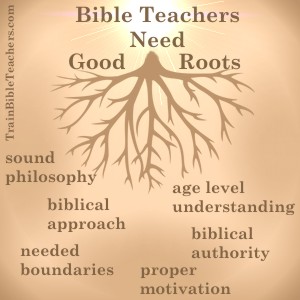
Basic Understandings for Good RootsThe Basic Understandings That Give Bible Teachers the Good Roots They Need

If we don’t have healthy roots, managing classroom discipline will be an uphill battle. Frustration and discouragement will cause many teachers to quit. A few will make it due to a charismatic personality or by virtue of God working despite themselves.

Teachers who tend to thrive the most are those who maintain the following roots:

  • sound philosophy of the teaching-learning process
  • understanding of age-level characteristics
  • grasp of a biblical approach to discipline
  • concept of the need for boundaries
  • biblical exercise of authority –not overly permissive and not an authoritarian
  • proper motivations when disciplining

Take the time to check your root system. Will you thrive?

The Handbook on the Basics of Classroom Discipline further develops the above basic understandings into seven tips. Order now for help in acquiring these understandings to assist you in effectively managing the classroom.

Share:

Basics for Classroom Discipline

Share:

To effectively manage the classroom, Bible teachers need a good grasp of basic principles. Discipline issues will often be prevented with these basics in place. And, strategies for dealing with misbehavior will grow out of these basics.

Classroom Discipline Helped by Knowing the Basics

Steps can be implemented before even stepping into the classroom. Certain methods of teaching and ways of treating the students will tend to produce cooperation and participation which in turn will eliminate misbehavior. Every time a teacher violates one of these principles, he/she opens the door for possible problems. So, make sure your teachers have a good grasp on the basics.

Handbook on the Basics of Classroom Discipline
(Click image to learn more about this resource.)

The Handbook on the Basics of Classroom Discipline contains 30 tips that fall under one of the following basics:

The next six posts will contain the introductory remarks to each of these section from the Handbook on the Basics of Classroom Discipline. Subscribe to this blog to receive notices of new posts. Better yet, click on the link to order the handbook so you not only have the introductions but also the tips that fit under these sections.

Share:

More FAQs about the Classroom Setup

Share:

FAQ about Classroom SetupIn a previous post we answered this frequently asked question about classroom setup:

  • How important is the classroom itself to the teaching-learning process?

It’s about setting up the classroom to best facilitate learning.

Other Questions You Might Have About the Bible Classroom Setup

How much space (square footage) should classrooms be?

As a general rule, the younger the age, the bigger the classrooms should be as children are more physically active.

You’ll find the following questions answered in the Bible Teacher’s Handbook of Frequently Asked Questions. This training resource also asks questions about 48 other teaching issues.

  • How important is the classroom itself to the teaching-learning process?
  • How important is it to decorate the classroom to match the content being taught?
  • Is any particular classroom seating arrangement better than others?
  • What can be done if we have to share space with other classes?
Share: