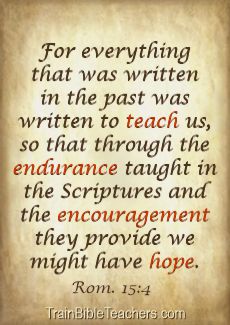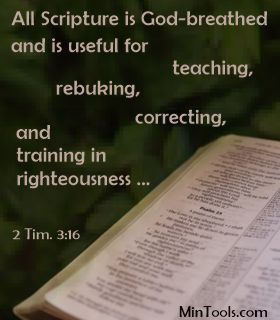
The letters to early churches contain much instruction for believers today. Tips for teaching New Testament Epistles must lead to application of these guidelines to reap the benefit to church life and everyday living. Of course, that begins with a perspective that views God’s Word as supreme (2 Tim. 3:16-17), our standard. It also requires an attitude of humility, recognizing that we aren’t the ones who determine truth and what matters. We aim for God’s intent and purposes, not what we think.
Promote the Right Perspective and Attitudes by Using These Tips for Teaching New Testament Epistles
To gain the most benefit from these books of the Bible, we need to follow these tips for teaching New Testament Epistles:
1) Don’t shy away from teaching the doctrine in these books but do present it in a way that isn’t stuffy and dry.
… in every way they will make the teaching about God our Savior attractive. (Titus 2:10)
2) Accurately present doctrine.
… must teach what is appropriate to sound doctrine. (Titus 2:1)
Do your best to present yourself to God as one approved, a worker who does not need to be ashamed and who correctly handles the word of truth. (2 Tim. 2:15)
3) Stress why it’s important to stay true to God’s Word.
Watch your life and doctrine closely. Persevere in them, because if you do, you will save both yourself and your hearers. (1 Tim. 4:16)
4) Guard against divisive quarreling over doctrine.
Don’t have anything to do with foolish and stupid arguments, because you know they produce quarrels. And the Lord’s servant must not be quarrelsome but must be kind to everyone, able to teach, not resentful. Opponents must be gently instructed, in the hope that God will grant them repentance leading them to a knowledge of the truth, and that they will come to their senses and escape from the trap of the devil, who has taken them captive to do his will. (2 Tim. 2:23-26)
Check out the Teaching the Real Message of the Bible Teacher Training Resource for some added input to these tips.
For Curriculum, Go To: New Testament Epistles Bible Lessons