
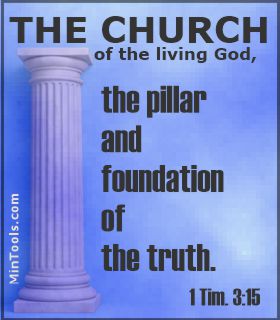
In the Book of Acts we learn about the beginning of the Church, established by our Lord to be the “pillar and foundation of the truth” in this world (1 Tim. 3:15). With a mission to be His witnesses (Acts 1:8) and a purpose to love as He loves (Eph. 5:1-2), we need to function according to His design as a Body, members of one another (Rom. 12:4-5; 1 Cor. 12:12-27). Teaching New Testament Epistles will help people learn to be that kind of Church.
While these letters, written by the Apostles, do record some of the history of the Early Church, they primarily contain instructions for how followers of Jesus Christ live as the redeemed, as those “worthy of the Gospel” (Phil. 1:27). Certainly that should resonate with believers today.
How Teaching the New Testament Epistles Benefits Us Today
Throughout the various epistles we find much relevant teaching about …
church life,
and practical issues affecting daily life.
In these books we also find doctrinal truths that form the basis for functioning as the Church and dealing with the practical issues of life. The Apostles didn’t just give people rules to live by but also how they’re built on the foundation of our life in our Lord Jesus, on who He is and what He’s done. And, they point to God’s grace and power for us to live in accordance with who we are in Him.
To be the “pillar and foundation of the truth” in this world (1 Tim. 3:15), we must reflect His truth in the way we function as a Church and in how we live our daily lives. As such, we live as Jesus identified His followers. He said we are the “salt of the earth” (Matt. 5:13), seasoning the world with His grace and truth. And, He called us the “light of the world” (Matt. 5:14), a beacon shining the way in a dark world.
For more about teaching the New Testament Epistles, check out the Teaching the Real Message of the Bible Teacher Training Resource.
Also Read: Tips for Teaching New Testament Epistles
For Curriculum, Go To: New Testament Epistles Bible Lessons